All The Ways Travel Aesthetics Are Ruining The Industry

When you think of a specific city or country, you probably conjure up images in your mind of what that place looks like. It doesn't matter whether you've ever been there or not; you're still able to imagine something. That's probably because of how you've been exposed to these destinations through the media, whether that's watching movies set there or seeing photos on Instagram.
The problem with this is that it can give you certain expectations of what that location will be like if you ever go there. Unfortunately, the likelihood is that the fantasy won't match the reality, which may well leave you feeling disappointed when you eventually return home. This is the danger of travel aesthetics and starts to explain precisely why this might be ruining the industry.
Trends about travel aesthetics are hugely popular on social media right now
"Aesthetic" has become a very popular word recently. Search for it in hashtags like #travelaesthetic, #londonaesthetic, or #japanaesthetic on TikTok, and you'll see that these generate millions of views. All of the posts center around beautiful shots that show the locations at their best, which you might think would be a good thing. After all, it surely inspires more people to visit these places, right? Nowadays, a lot of younger travelers base where they vacation on spots they've seen on television or social media. When a location plays a significant role in a popular piece of media, it becomes a tourist hotspot, and that's been the case for decades now. Unfortunately, in a time when people seem to be obsessed with aesthetics, it inevitably leads to disappointment.
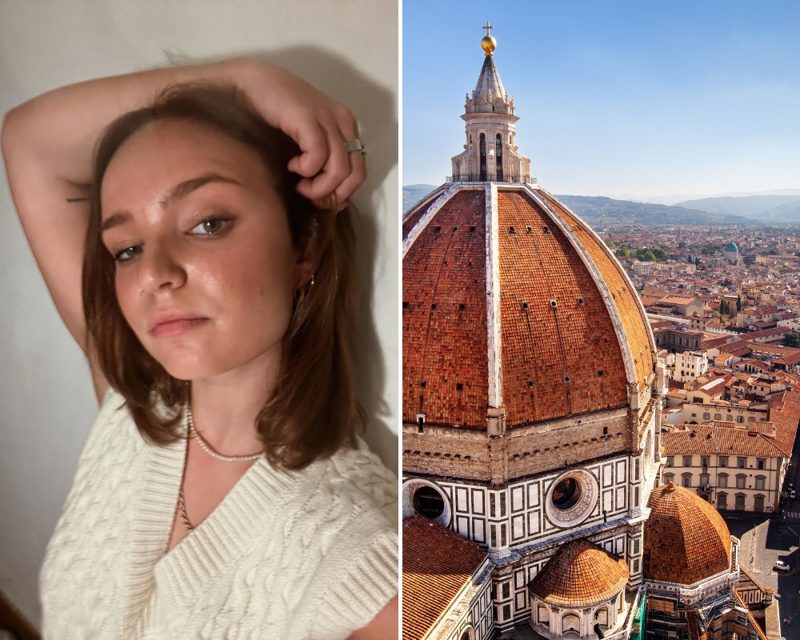
Travel aesthetics affected one student's experience studying in Florence
We've already seen this year just how damaging travel aesthetics can be for tourists. In March 2023, Stacia Datskovska posted an article on Business Insider where she wrote about how much she hated studying in Florence, Italy. The NYU student struggled in her new home, and it wasn't simply because she was away from her loved ones. As she wrote in the article, she'd expected "fun potluck dinners with my roommates" and "summer flings with people who called me "bella."" She'd also wanted to enjoy "gelato that dripped down my fingers" and "natural" drinks that went well with "good conversation" and "prosciutto." Unfortunately, upon arriving in Florence, she quickly discovered that her fantasy was not reality. After things didn't play out the way she'd hoped, she found that she came to "despise the sights" and "hated the people." She simply couldn't wait to get home.
Negative reactions to places can put other people off traveling there
It's worth pointing out that not all of Datskovska's misery in Florence was due to her travel aesthetics, and she pointed out that she didn't wish to dissuade people from studying there. Nevertheless, had she not entered the country with an aesthetic in mind, the disappointment she felt might not have been so significant. She may still have returned home feeling like the city was a letdown, but she might not have resorted to despising or hating the place and people. Of course, Stacia is just one example of this very real problem facing the industry. Plenty of people are dealing with similar disappointment when they visit notable cities like Paris or Milan and not getting the experience they expected. Those negative experiences then get shared online, which can potentially put others off from traveling there. After all, why waste time going somewhere that doesn't genuinely offer the aesthetic you're after?
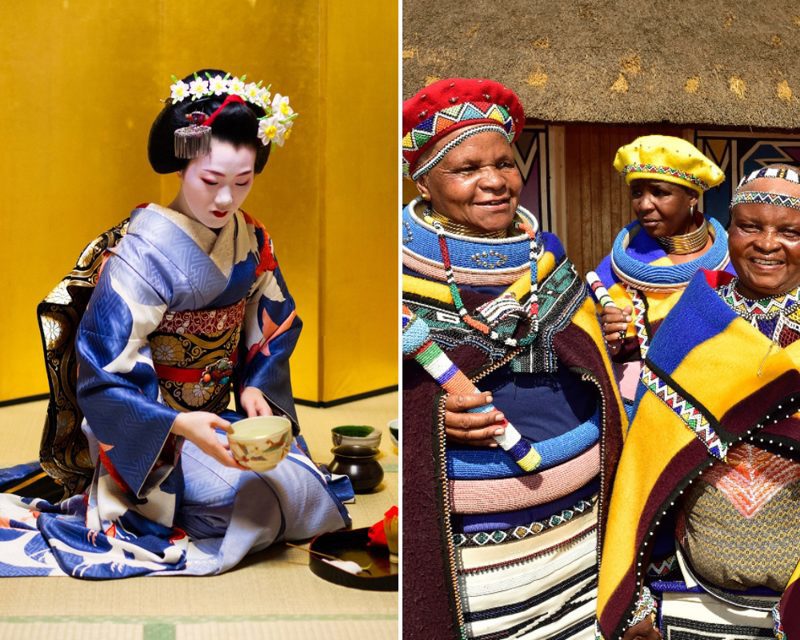
Travel aesthetics can also do a lot of harm to various cultures
Of course, there's another serious issue that stems from the obsession with travel aesthetics, and that's the boiling down of entire cultures into these visuals. Every place in the world is home to a wide variety of people that enjoy certain traditions, foods, and more. Unfortunately, the rise of travel aesthetics has meant that a lot of people and places have been whittled down to stereotypes that don't reflect what makes them so complex. Not only does this risk downplaying the depth of various cultures, but it also raises concerns regarding offensive language and xenophobia. Plus, the more obsessed people get with a destination's aesthetics, the likelier they are to engage in cultural appropriation. While there might not be any malice behind their actions, they don't appreciate that they might be being insensitive because of everything they've been exposed to online.
There's no reason you can't visit a destination because you think it looks beautiful or offers experiences you want to try out. However, make sure that this isn't the only motivation behind your trip, and try to temper your expectations before you travel. While somewhere might not live up to the aesthetics you've seen online, that doesn't mean you can't still have some amazing experiences there.
You May Also Like
 Travel
What an All-Inclusive Package Really Includes
 Travel
Adults-Only vs Family Resorts: Choosing Your Vibe
 Travel
Hot Springs Vacations Around the World