What's The Difference Between Ecotourism And Sustainable Tourism?
With concerns regarding the climate continuing to grow, you may be eager to make your next vacation a responsible one for the planet. If so, you've likely encountered terms like ecotourism and sustainable tourism while searching for places to stay. You may well assume that these two terms refer to the same thing, but that's not technically true.
While both revolve around responsible tourism, there are some differences between them. It can be worth understanding what the terms mean and why they're not necessarily one and the same, especially if your future vacations are all going to be good for the planet. That's what we're here to help with. So, if you've ever wondered what's the difference between ecotourism and sustainable tourism, prepare to learn something new.
How do people define ecotourism?
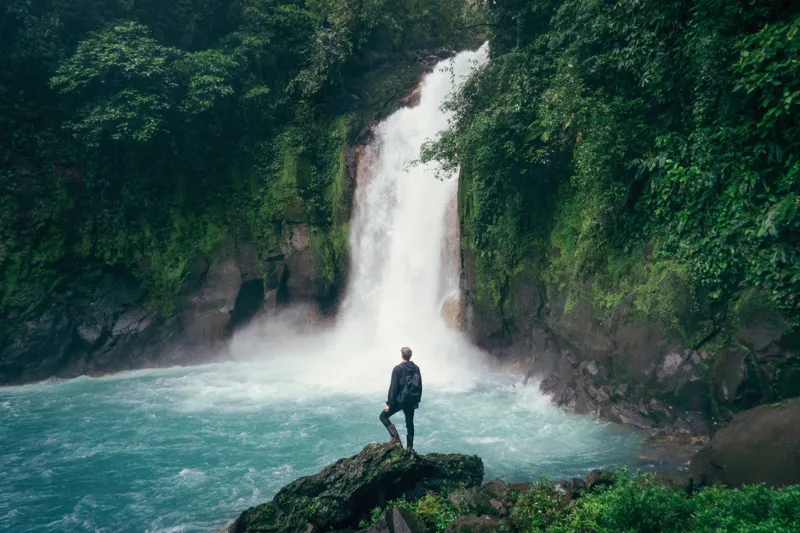
To understand the difference between ecotourism and sustainable tourism, it's worth looking at how these two terms are defined. The International Ecotourism Society categorizes the former as "responsible travel to natural areas that conserves the environment." It also mentions that ecotourism is about sustaining "the wellbeing of the local people" and adds that this form of tourism involves "interpretation and education." As for the United Nations World Tourism Organization, their definition of this tourism revolves around observing and appreciating both nature and traditional culture in natural areas.
How does the definition of sustainable tourism differ?
So, that's how ecotourism seems to be most commonly defined, but what about sustainable tourism? Well, the Global Sustainable Tourism Council suggests that this is less about a certain type of tourism and is more an aspiration for the impacts of different forms of tourism. Essentially, it's about the ways that both tourists and tourism spots can help the planet, the industry, and the local people. It apparently "takes full account of [the] current and future economic, social and environmental impacts," leading to conservation efforts, socio-economic benefits, and more.

What might someone expect from an ecotourist vacation?
While sustainable tourism seems to have a broader scope, ecotourism is very much focused on the environmental impact of vacations. Someone who goes on an ecotourist vacation is likely to feel motivated to help and embrace both nature and traditional culture during their stay. They'll typically stay in smaller, locally-owned businesses, and if they travel as a tour, they'll do so with a small group. They'll also make efforts to reduce the negative impacts they might have on the surrounding nature and culture, focusing their time and money on ecotourism attractions. They also understand that there's always more they can learn about doing good for the area they visit.
What might someone expect from a sustainable tourism vacation?
Ecotourism is essentially a form of sustainable tourism, which means elements of the former are notable in the latter. Primarily, destinations that practice sustainable tourism tend to consider the natural environment when it comes to infrastructure and activities in the area. This way, they can ensure the longevity of the environment and the surrounding culture while still managing to make a profit. A sustainable tourist will tend to adopt certain practices into their travel routine, such as using public transport or walking, visiting museums, vacationing closer to home, and utilizing reusable products. They may also purchase local goods, go low-impact camping, or pay to visit protected conservation sites.
Are there other branches of sustainable tourism outside of ecotourism?
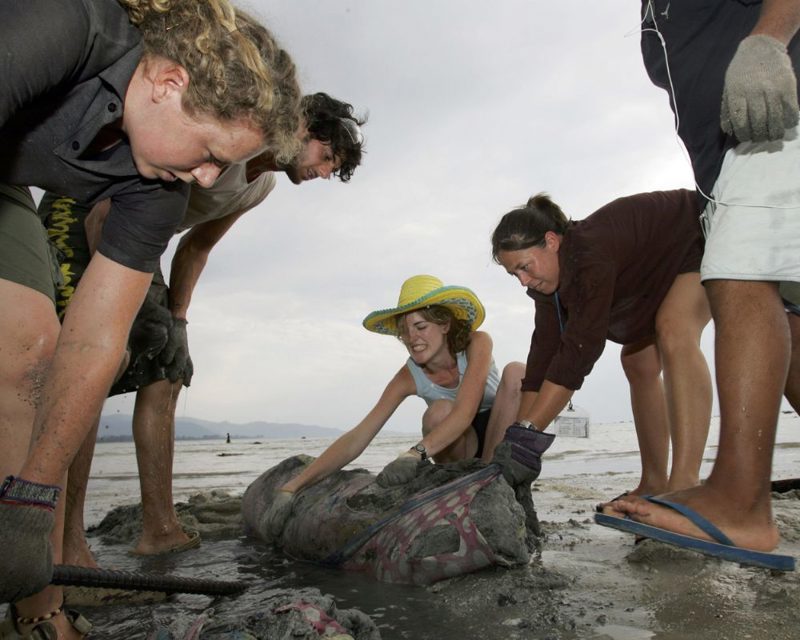
As ecotourism is a form of sustainable tourism, it stands to reason that there would be other forms that people can adopt when vacationing somewhere. One of these is voluntourism, which is when people travel with the intent of volunteering at their destination. They might go and teach another language to children or assist with conservation efforts in a place that needs it. They may travel on behalf of a non-profit organization or simply go alone. There's also soft tourism, which is basically the opposite of large-scale mass tourism. This tends to focus on granting people experiences that help the local culture and the environment rather than seeing the usual tourism hotspots. Then, there's community tourism, where the industry is effectively controlled by local residents. Here, tourists get to live more like a local and consequently pump money back into the local economy.
Trying to get your head around all these terms may be a little confusing. However, defining the tourism you do doesn't really matter. As long as your vacation is benefiting the local culture and environment in some way, it's something to be celebrated. You don't always need to put a label on it.
You May Also Like
 Travel
What an All-Inclusive Package Really Includes
 Travel
Adults-Only vs Family Resorts: Choosing Your Vibe
 Travel
Hot Springs Vacations Around the World